Complete Auto Repair Services You Can Count On
Reliable auto repair solutions are vital to car maintenance. Dependable mechanics keep cars running properly while ensuring protection on the road. Important qualities, like open communication and straightforward pricing, prove critical. Nevertheless, many car owners remain unsure about what to expect from their repair shops. Learning these factors can greatly impact the durability of their cars and the quality of their driving experiences. What are the key factors to take into account?
Why Professional and Dependable Auto Maintenance Services Matter
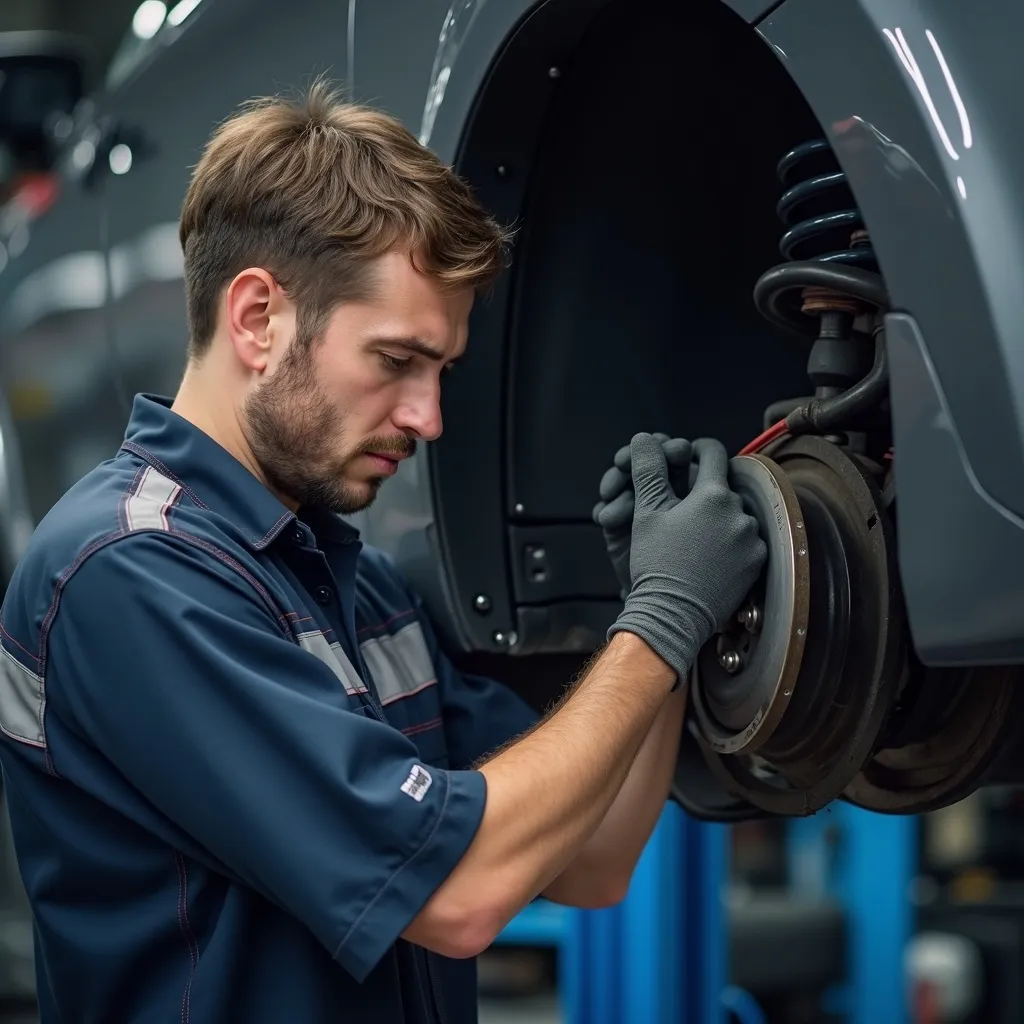
Reliable auto repair services are crucial for maintaining car functionality and safety, as they affect a driver's experience on the road. Regular maintenance and prompt repairs guarantee that vehicles function properly, reducing the risk of failures and accidents. A properly serviced vehicle not only improves safety but also prolongs its lifespan, ultimately saving owners money in the long run.
Moreover, solid services strengthen assurance between repair technicians and car owners, creating a working relationship that focuses on the car's maintenance. When drivers are aware they can trust their mechanic, they are more likely to manage issues without hesitation, avoiding minor problems from escalating into major repairs. This proactive approach supports better fuel efficiency and overall performance.
Within an increasingly intricate transportation industry, the importance of trustworthy vehicle repair services cannot be denied. They provide a base for safe and enjoyable driving experiences, enabling drivers to navigate the roads with confidence.
Key Attributes of a Honest Mechanic
A reliable mechanic has key traits that cultivate confidence in their services. Strong communicative abilities guarantee that customers understand the issues and solutions presented, while transparent pricing practices strengthen trust and prevent misunderstandings. Together, these qualities create a robust foundation for proficient auto repair.
Strong Interpersonal Skills
Effective communication stands as a cornerstone of trust between mechanics and their clients. A mechanic who possesses strong communication skills can explain complicated vehicle problems in simple terms, guaranteeing clients fully understand the situation. This clarity not only reduces concerns but also cultivates a partnership, where clients sense appreciation and respected. Listening is equally important; a trustworthy mechanic genuinely interacts with clients, responding to their questions and concerns with patience and empathy. Such interactions establish confidence, as clients are more likely to come back to a mechanic who demonstrates genuine interest in their needs. Ultimately, effective communication improves the overall customer experience, reinforcing the mechanic's reputation for dependability and professionalism in the auto repair industry.
Straightforward Pricing Standards
Open pricing approaches are a crucial factor of a dependable mechanic's image. Customers want clarity regarding service expenses, which strengthens confidence and satisfaction. A mechanic who gives thorough quotes upfront, including work hours and parts, reduces the likelihood of surprise charges. This openness permits clients to take smart choices about their auto repairs. Additionally, posting a price list for common jobs can enhance credibility, as it reveals truthfulness and openness in business dealings. Mechanic shops that inform any likely additional costs prior to starting work prove competence and appreciation for the customer's budget. At the end of the day, clear costs not just creates strong bonds but further promotes returning business, as satisfied customers are more likely to recommend the service to others.
What Services Should You Anticipate From a Maintenance Shop?
When looking for auto repair services, customers should be informed about the range of offerings available at a repair shop. Basic maintenance services, repair and diagnostic solutions, as well as specialty services, are essential components of thorough vehicle care. Understanding these services can help individuals make informed decisions about their automotive needs.
Basic Upkeep Services Provided
Although many vehicle owners may disregard the importance of regular maintenance, understanding the basic tasks offered by a repair shop is key for keeping a car in peak condition. Routine maintenance usually involves changing engine oil, tire rotations, and brake inspections. These services assist in making sure that necessary components function properly and safely. Additionally, checking and replacing fluids such as coolant and transmission fluid is crucial for maximum efficiency. Many repair centers also provide battery inspections and wiper blade replacements to boost vehicle reliability. Regular maintenance not only prolongs the useful life of a vehicle but can also improve fuel efficiency. Vehicle owners should keep informed about these basic services to preserve their cars and prevent bigger problems ahead.
Diagnostic and Repair Answers
A variety of diagnostic and repair solutions are vital offerings offered by auto repair shops to address vehicle issues efficiently. These services generally include comprehensive diagnostic testing, which utilizes sophisticated equipment to detect issues spanning engine malfunctions to electrical failures. Technicians examine error codes and conduct visual inspections to locate issues accurately. Following diagnosis, repair solutions may involve routine fixes such as brake replacements, fluid changes, or battery installations. Additionally, shops often offer specialized repairs for components like transmissions and exhaust systems. A dependable repair shop guarantees that all solutions are performed with precision, adhering to manufacturer specifications and safety standards, ultimately restoring vehicle performance and longevity. Trust in these services is fundamental for preserving a vehicle's reliability.
Specialty Services Ready
Specialty offerings provided by auto repair shops function an crucial role in guaranteeing thorough vehicle care. These services frequently feature diagnostic technology, electric and hybrid vehicle servicing, and performance tuning. Shops may also offer custom exhaust installations, suspension enhancements, and wheel alignment services adjusted for specific driving requirements. In addition, certain facilities deliver detail work that encompass interior and exterior cleaning, protective coatings, and ceramic sealant. Tire services, such as rotation and balancing, prove equally important, since they enhance safety and performance. Additionally, expert mechanics may specialize on particular manufacturers or vehicle types, guaranteeing experienced knowledge and service quality. Altogether, these specialty services help maintain vehicle longevity and enhance overall performance, making them essential to every vehicle owner.
Evaluating Auto Repair Shops examine repair facilities
What methods can you use to determine the reliability of an auto repair shop? Analyzing a shop's reputation is critical; customer feedback and ratings offer insights into their service quality. Online websites and directories dedicated to automotive services often showcase reviews from previous patrons, which can help assess trustworthiness. Furthermore, qualifications and memberships with trade groups demonstrate a dedication to industry requirements.
One key consideration is the shop's clarity regarding pricing and services. A reliable shop will provide detailed estimates and outline necessary fixes minus coercion. It's also beneficial to visit the shop in person; cleanliness, structure, and quality of tools can reflect competence.
Finally, requesting recommendations from loved ones or acquaintances can result in trustworthy options. By considering these elements, one can create educated choices when selecting an auto repair shop, guaranteeing a positive outcome and trustworthy support for their automotive requirements.
Guidance for Creating a Enduring Partnership With Your Mechanic
Trust is the foundation of a durable relationship with a mechanic. To promote this trust, ongoing communication is key. Customers are encouraged to request information on repairs and services, making sure they know the work that is performed. Consistent visits are important; visiting the same mechanic allows for better insight of the vehicle’s past service and requirements.
An crucial aspect is transparency regarding expectations and concerns. Clients who share their driving patterns and choices enable mechanics to provide customized guidance and service. Additionally, demonstrating appreciation for quality work through favorable reviews can strengthen the connection. Ultimately, being punctual and respectful during appointments demonstrates dedication and dependability, additionally strengthening the bond. By developing these habits, car owners can create a enduring relationship with their mechanic, leading to improved service and reassurance.
Smart Techniques to Trim Repair Charges
Many vehicle operators seek out effective strategies to minimize repair costs without compromising quality. One smart strategy is to maintain consistent maintenance routines, which can prevent costly maintenance later on. Keeping current with oil service, tire rotations, and fluid checks ensures that minor issues are resolved before they get worse.
Moreover, examining and comparing prices from several repair shops can produce considerable savings. Plenty of shops deliver special offers or discounts, and loyalty incentive programs can additionally reduce spending. Vehicle owners should also explore learning basic mechanical knowledge, which can minimize labor expenses for small issues.
Furthermore, buying components online or from wholesale suppliers can be more economical than relying solely on a mechanic's markup. Finally, building a connection with a reliable mechanic can lead to personalized advice and potential discounts, fostering a mutually beneficial partnership that saves money in the long term.
Frequently Raised Questions
How can I verify if my mechanic is qualified?
To assess if a mechanic is certified, one should verify professional credentials, such as ASE. Additionally, reviewing customer feedback and verifying their membership in professional organizations can provide further confidence of their qualifications.
What Guarantees Should I Demand on Fixed Items?
Customers should anticipate warranties spanning from 90 days to two relevant article years on labor and parts. Established shops often offer documented assurances, guaranteeing peace of mind and showcasing confidence in their repair quality and commitment to service.
How frequently Should I schedule My Car servicing?
Specialists suggest servicing your vehicle every 5,000 to 7,500 miles, or every six months, whichever comes first. Regular care provides peak performance, lengthens vehicle lifespan, and helps identify potential issues before they escalate.
May I supply My Own components for Repair?
Yes, patrons can commonly bring their own components for service. However, it's vital to consult with the service center prior to, as some may have policies regarding warranties or guarantees associated with non-sourced components.
What Steps Ought I Take if I'm Unhappy With the Offering?
Should dissatisfaction arise, the customer must initially voice concerns directly with the service provider. Documenting issues and seeking solutions via communication commonly leads in satisfactory resolutions, stressing how critical clear communication is in customer interactions.